Illustrated review edition
2025-2026 Impact Report
Opportunity starts with access.
This report is available for review. Reporting dates and some figures still need confirmation; the notes identify those limits throughout.
Chapter spotlight / Kenya
Learning in the community.
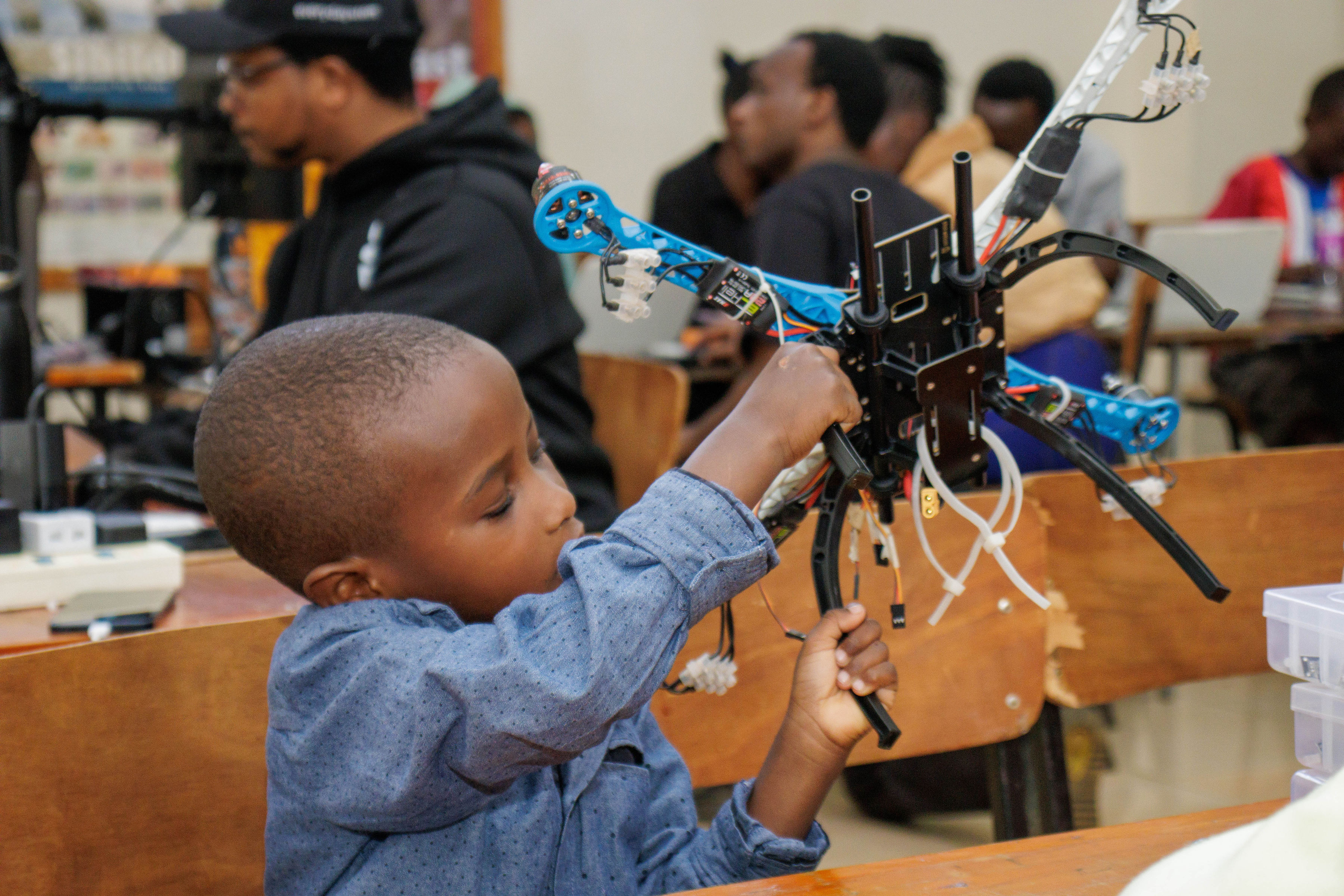
A young learner examines a drone frame while other participants work nearby. The photograph supplied by Minorities in STEM identifies this as part of the Kenya chapter and gives the community story a visible, practical focus.
The current chapter directory includes Kanga National School in Kenya among a wider international network. This report does not assume the photograph was taken at that school; the precise venue and date were not supplied.
The image illustrates the kind of engagement the organization seeks to make possible. It does not, on its own, establish attendance, learning gains, or which reporting year should receive an activity count. It is included here as a chapter spotlight pending date confirmation.
Events and outreach
Showing up. Building together.
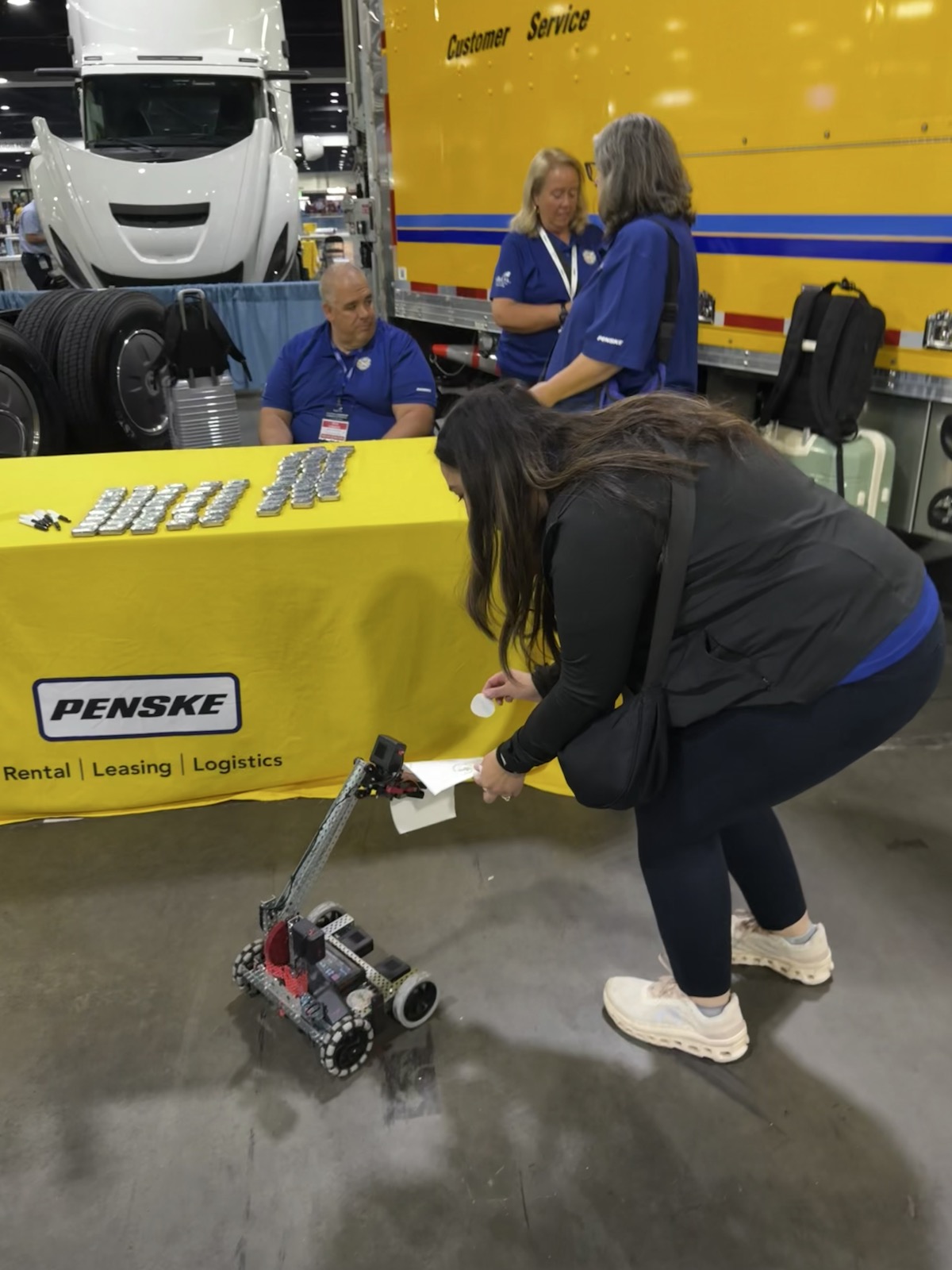
SkillsUSA outreach. The official archive documents MIS connecting with student leaders and presenting robotics activities at the SkillsUSA Conference. Photographs show booth conversations, program materials, and demonstrations. The site calendar places its listed June 2-5 conference entry in 2026; the final event dates should be checked against organizer records.
MIS x WaveHack. The archive describes an in-person collaboration built around teams, prototypes, and shared project work. Its date says “Sunday, May 23” without a year, so this edition does not assign it to an annual total.
MISHacks Episode 1. The 2026 calendar advertised an online AI x STEM for Community Impact hackathon for May 22-June 10. The concept asked teams to build for communities they know. The available calendar establishes planned programming, not verified completion, submissions, or attendance.
Robotics, research, and student projects
More than one way to contribute.
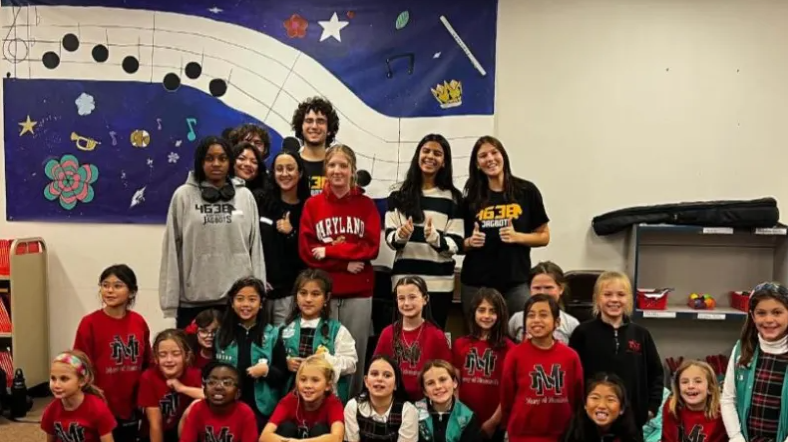
Supporting FRC teams. Minorities in STEM identified team support as part of its work and supplied this group photograph. The press page also documents connections with students and robotics teams at FIRST Robotics Worlds. Specific teams, quantities, dates, and types of support must be confirmed before reporting an annual total.
Research with Horizons Atlanta. The mission page presents an initial study on STEM access in Georgia and links to a research presentation. This is an example of work intended to understand access barriers; no research findings are reproduced without reviewing the underlying study.
Student-led projects. The website features BUILD / Who Gets to Build?, AI Literacy, and DataNaid. These illustrate the range of projects in the network. Their outcomes and the scale of MIS support are not quantified in the available records.
Learning tools and pathways
Support beyond an event.
STEMMY / MIS STEMbud. The organization's AI learning assistant is designed to help users work through STEM questions, upload learning materials, and practice with quizzes. Its project includes source-reference and learning-note features. These describe the tool, not a demonstrated educational outcome.
Tutoring and resources. The official site provides routes to find a tutor, become a tutor, and explore articles, interviews, podcasts, and resource links. These pathways make the organization's work accessible beyond a single gathering.
A broader community snapshot. The existing homepage reports more than 30 chapters, more than 200 volunteers, and more than 200,000 people reached. Those are organization-wide figures with no defined measurement window on the page. They are not presented here as 2025-2026 annual results.
What remains to measure. Verified tool usage, completed tutoring sessions, individual event attendance, repeat participation, and participant feedback would help establish how these pathways are used and what difference they make.
The distinctive feature of this work is its range of entry points: community chapters, robotics, building projects, research, and learning support. The next reporting step is to document each pathway consistently.
Reflection, priorities, and sources
The next step is evidence.
The available record documents activity across communities, events, and educational tools. It provides a richer account of what MIS does than a single reach figure can convey. It does not yet support a complete annual outcome assessment.
Proposed priorities. Maintain one dated event register; identify unique and repeat participants; record the support supplied to each team or chapter; and gather short, consented participant accounts. Confirm the reporting period before aggregating results.
Status: review edition. Exact annual boundaries, several event dates, attendance counts, support details, and outcomes remain unconfirmed. Undated stories are explicitly labeled. Announced programming is distinguished from completed activity. No testimonials, financial totals, or learning gains have been invented.
Sources. Official MIS pages: /archive, /events, /chapters, /press, /projects, /about/mission, /find-a-tutor, and /resources. STEMMY details come from the learning-assistant project. Kenya and FRC photo context comes from the organization. Reviewed September 2026.
Get involved. Explore minoritiesinstem.org/chapters, share your skills at minoritiesinstem.org/become-a-tutor, or contact the organization at minoritiesinstem.org/contact. Confirmed annual results and participant voices can be added to the final edition.